In the series Tokyo Nocturnes: Blossoms and Clouds in Battle Symphony, Hiro Ando unfolds a nocturnal Tokyo where neon lights become the stage for a youth suspended between innocence and contemporary brutality. The figures of Yuki U, Haruka T, Chisato M, and Satomi N move through these saturated urban landscapes like silent survivors, embodying a generation confronted with social pressure and modern uncertainty. Ando transforms the metropolis into an emotional setting where each intersection becomes a threshold between dream and latent threat. The floating flowers, recurring signatures in the artist’s work, introduce poetic breathing spaces within the density of urban chaos. They symbolize fragile hope persisting within a world dominated by speed and visual consumption. Stylized clouds suspended above the streets function as mental escape zones, offering imaginary refuge to the characters. The juxtaposition of schoolgirls and hyper-commercial environments reveals tensions between Japanese tradition and globalized modernity. Ando captures the paradoxical solitude of an overcrowded city where everyone moves forward alone under permanent artificial light. The heroines become introspective silhouettes, both vulnerable and determined, reflecting a youth forced to mature too quickly. The vibrant palette intensifies the contrast between visual seduction and the gravity of the underlying narrative. The artist does not merely paint Tokyo; he paints its inner rhythm and invisible fractures. Traffic flows, screens, and reflections on wet asphalt become metaphors for the relentless pace of contemporary society. These works also reveal Ando’s own psychology, torn between fascination with pop culture and concern over its excesses. His Neo-Pop approach diverts advertising aesthetics to expose their emotional dimensions. Each canvas operates as a suspended scene whose story continues beyond the frame, within the viewer’s imagination. The characters, neither purely heroic nor victims, embody the moral complexity of an image-saturated world. Ando offers a humanistic reading of a society where individuals struggle to preserve their singularity. Tokyo’s night becomes a visual symphony where beauty and unease coexist. These paintings compose a generational fresco where urban poetry dialogues with the scars of reality. The series demonstrates Ando’s ability to transform popular culture into a universal reflection on survival and identity. Through this idealized yet unsettling Tokyo, the artist questions our own relationship with modernity and contemporary solitude. Thus, the series stands as a major chapter in Japanese Neo-Pop, where light, memory, and resilience meet in fragile balance.
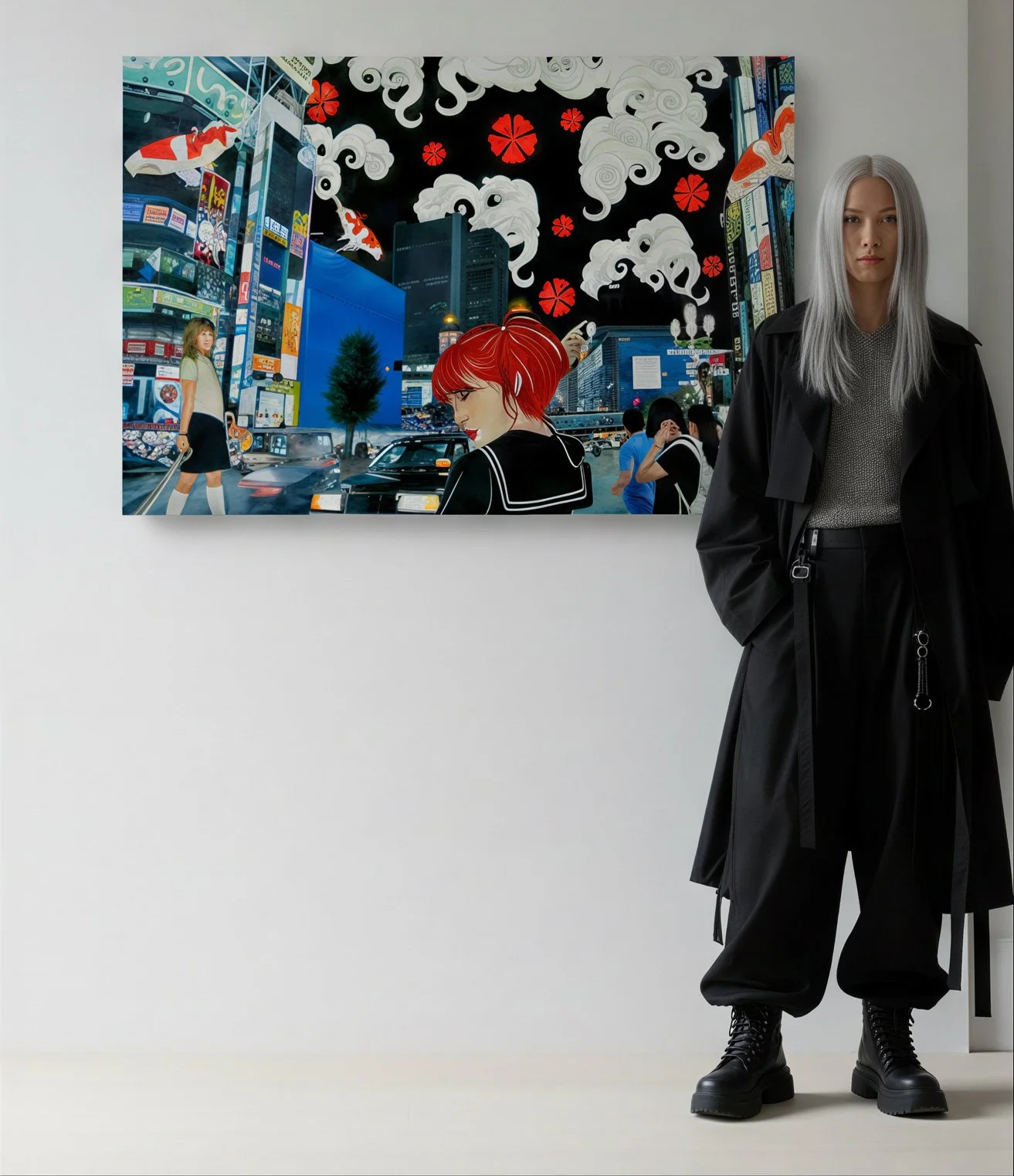
Crossing Echoes: Schoolgirls beneath Tokyo’s Battle Sky
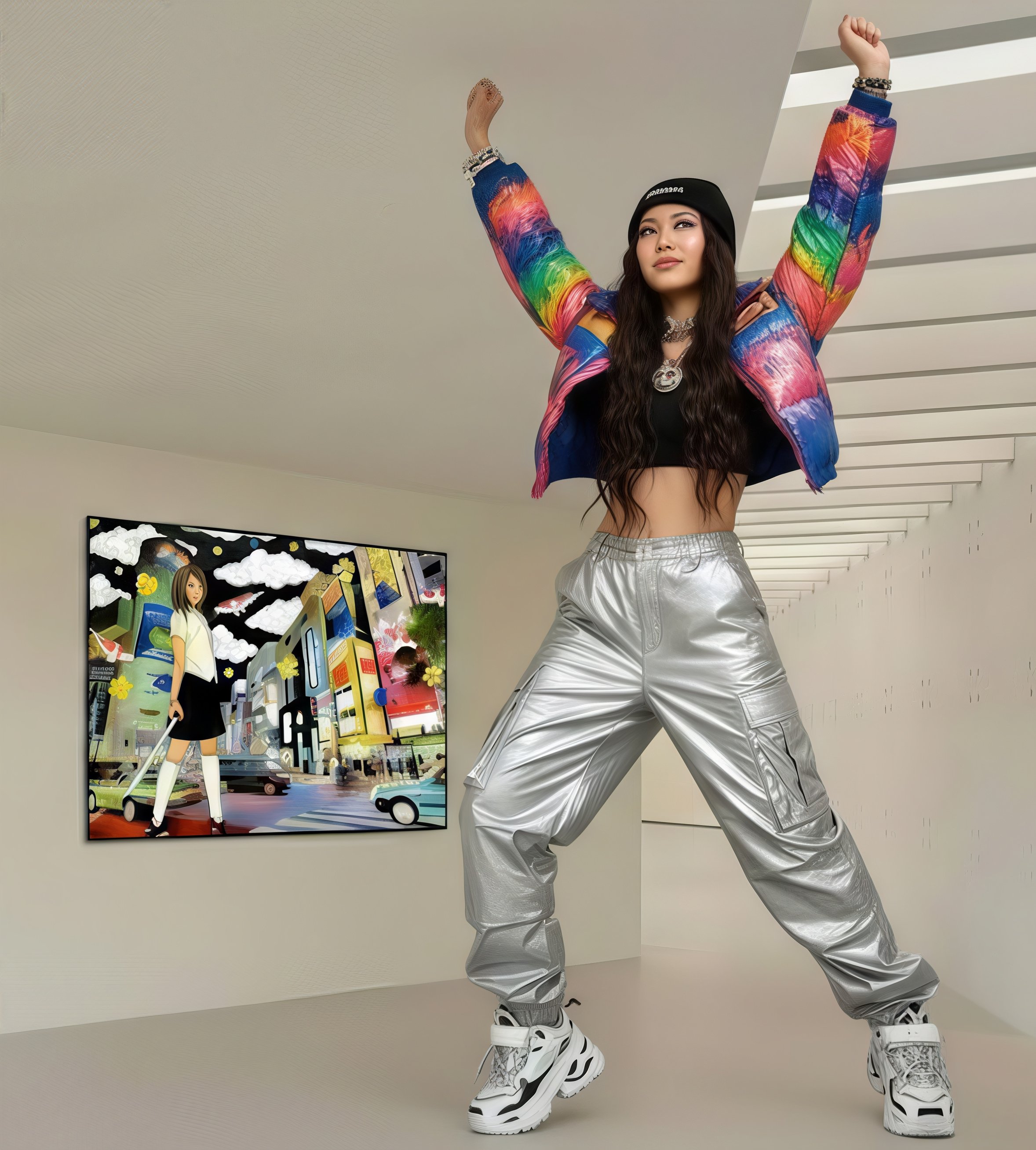
109 Blossoms in Battle Symphony : Midnight Sonata
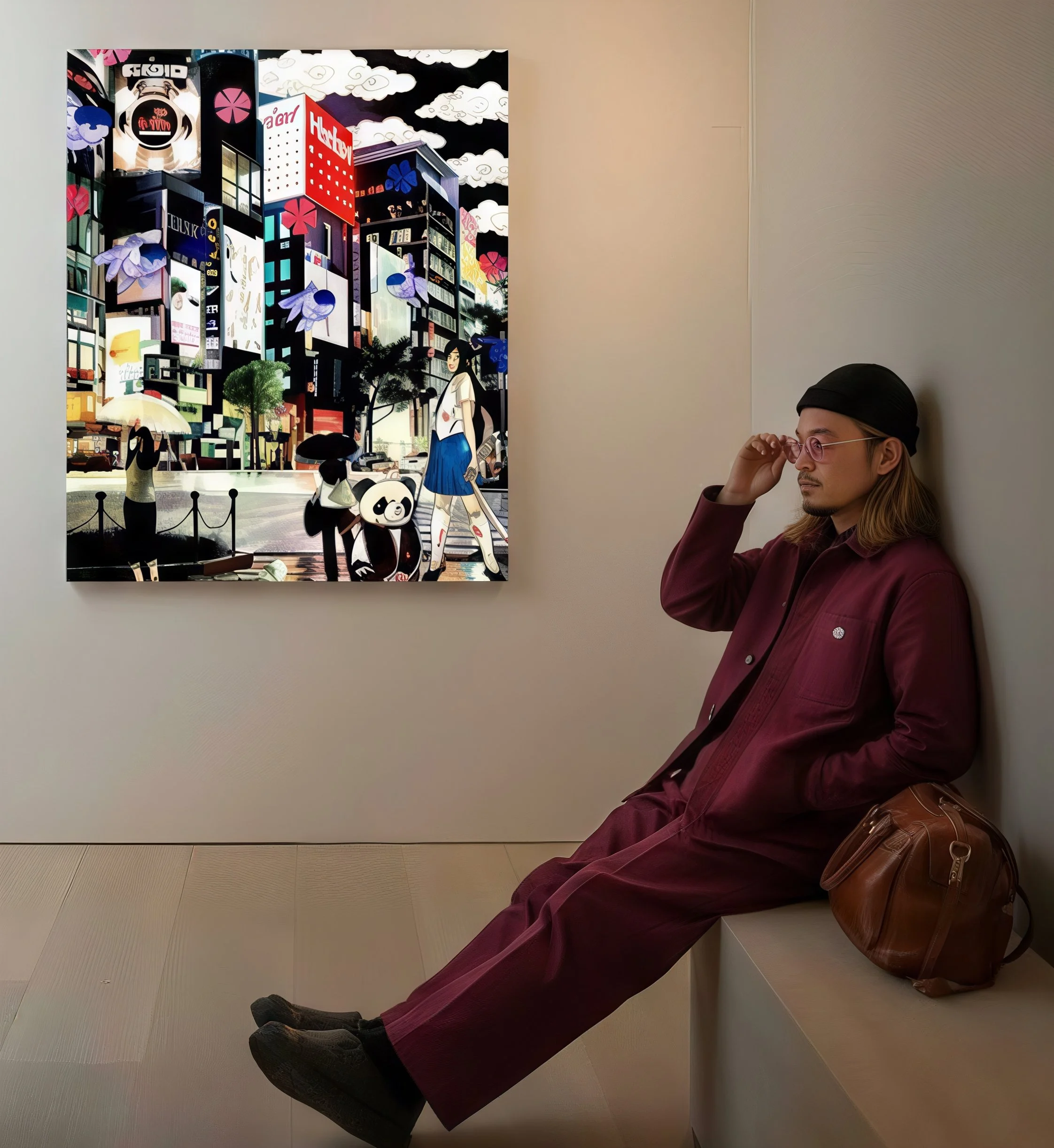
Dior Blossoms in Battle Nocturnes : Elegance in Neon
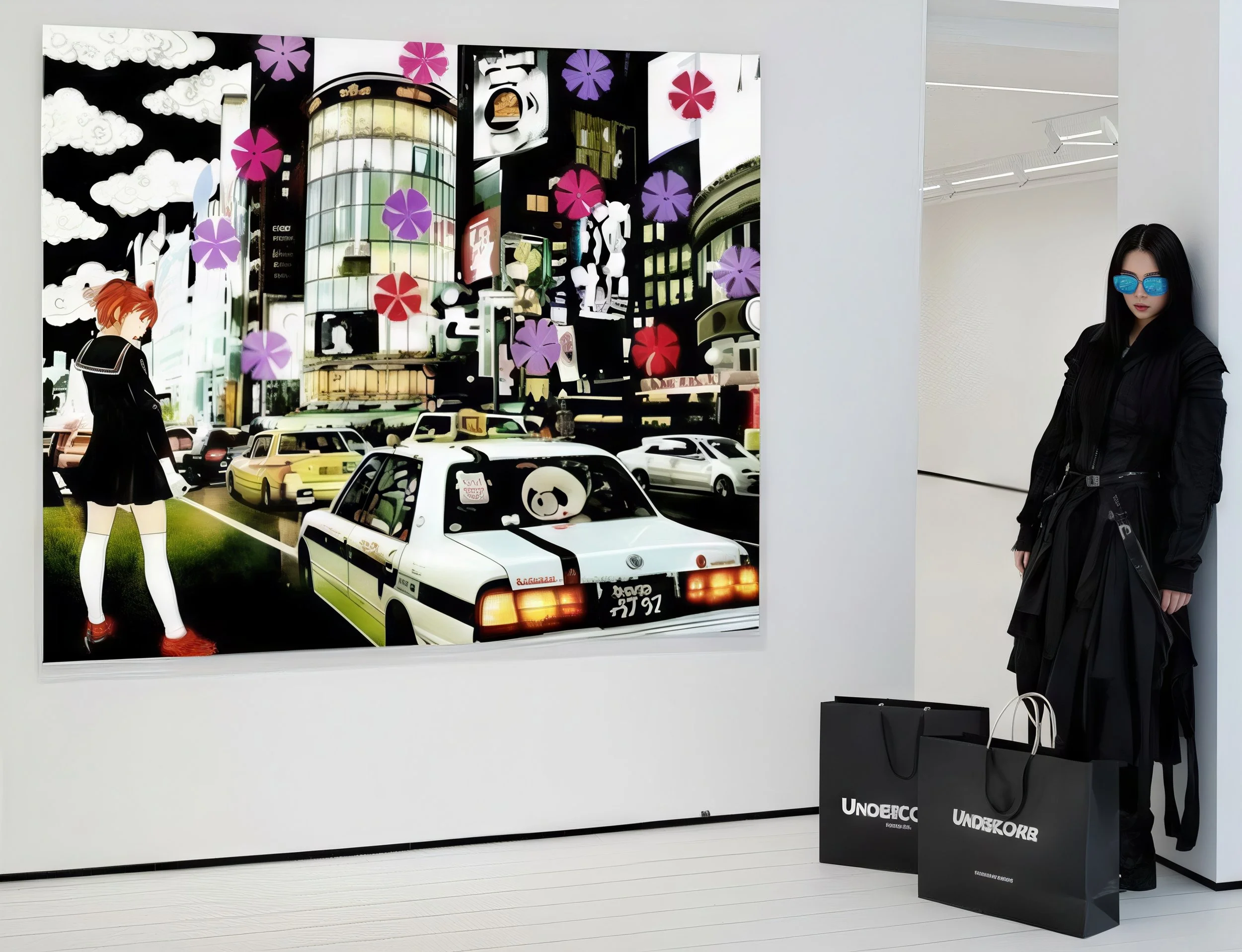
Pandasan 57-57 : Midnight Blooms in Tokyo Shadows

Lady of the Blossom Blade : Moonlit Duel

Purple Twilight Ballet : Orchids and Shadows in Battle Symphony

Chisato M's Nocturnal Ballet : Window of Dreams

Asimo's Dance in the Nocturnal Symphony : Mechanical ballet
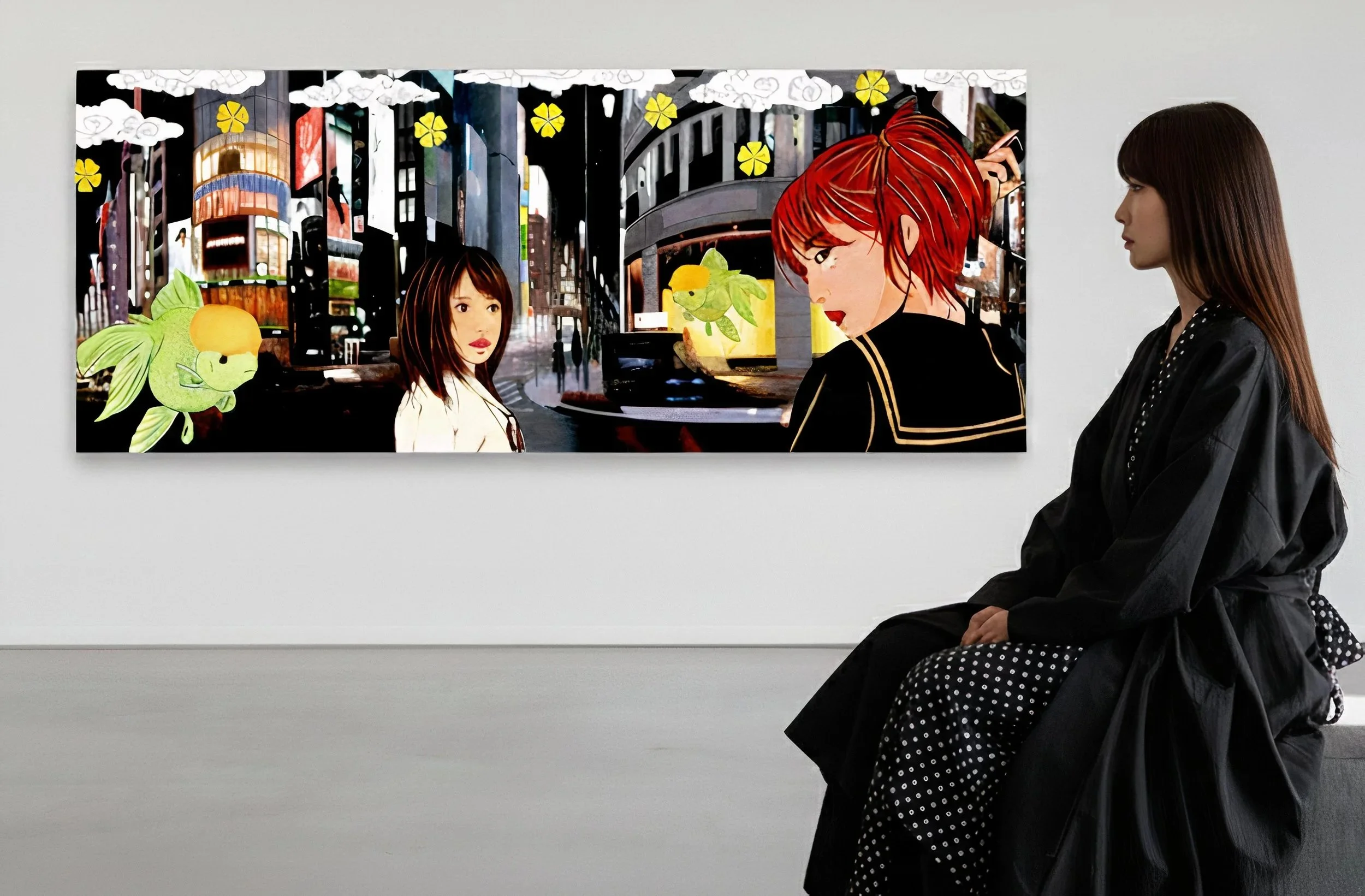
Chisato and Satomi's Nocturnal Odyssey : Blossoms of Unity

Chanel Elegance : Midnight Soirée in Tokyo's Blossoms and Shadows
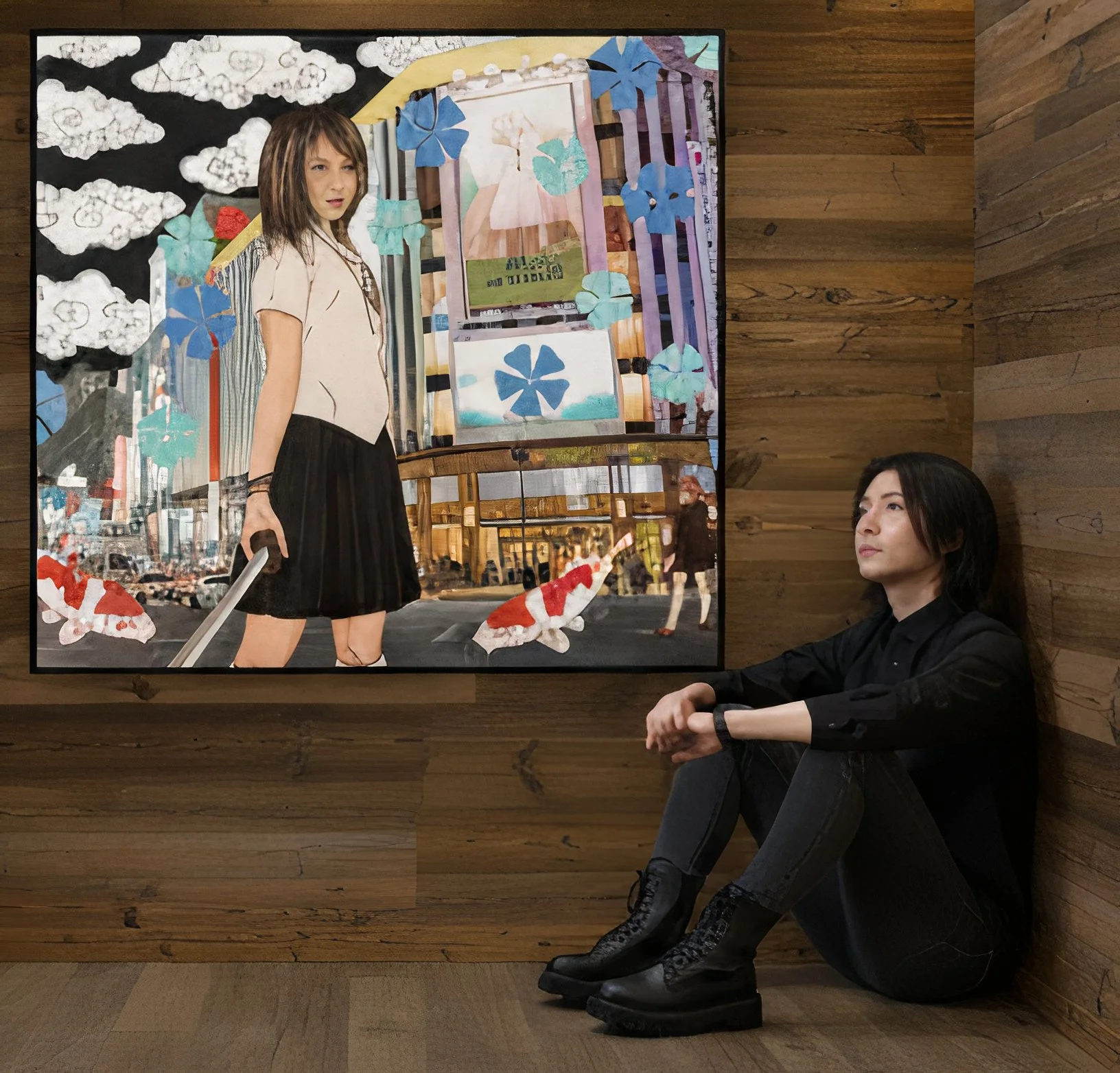
Early Summer Whispers in Battle Symphony : Tokyo Twilight Reverie

Pandasan's Nocturnal Journey in Kotsu Taxi : Midnight Sakura Ride